
Choosing the right decorative metal photo frames from China requires more than comparing prices and polished product images. Buyers should examine material quality, finishing methods, design consistency, and supplier reliability. A well-made frame should feel balanced in the hand, with smooth edges, secure joints, and a finish that remains attractive under everyday light.
China offers a broad range of metal frame styles. Some feature slim brass-colored borders, while others use textured iron, brushed aluminum, or antique-inspired finishes. These options suit homes, hotels, offices, wedding displays, and retail interiors. However, appearance alone can be misleading. A frame may look elegant online but arrive with uneven plating, weak hinges, or glass that shifts inside the backing.
Details matter.
This guide explores practical factors for selecting the best decorative metal photo frames from Chinese manufacturers and exporters. It considers design flexibility, surface durability, packaging, customization, production experience, and communication standards. Product samples can reveal more than catalogs, especially when checking corner alignment and color accuracy. Buyers should also request clear specifications before placing larger orders.
Not every attractive frame is a dependable choice. Some suppliers provide excellent craftsmanship but limited customization. Others offer competitive prices while sacrificing protective packaging. These trade-offs deserve careful attention. The best option depends on intended use, target market, budget, and expected service life. A thoughtful evaluation can reduce surprises and support a more reliable purchasing decision.
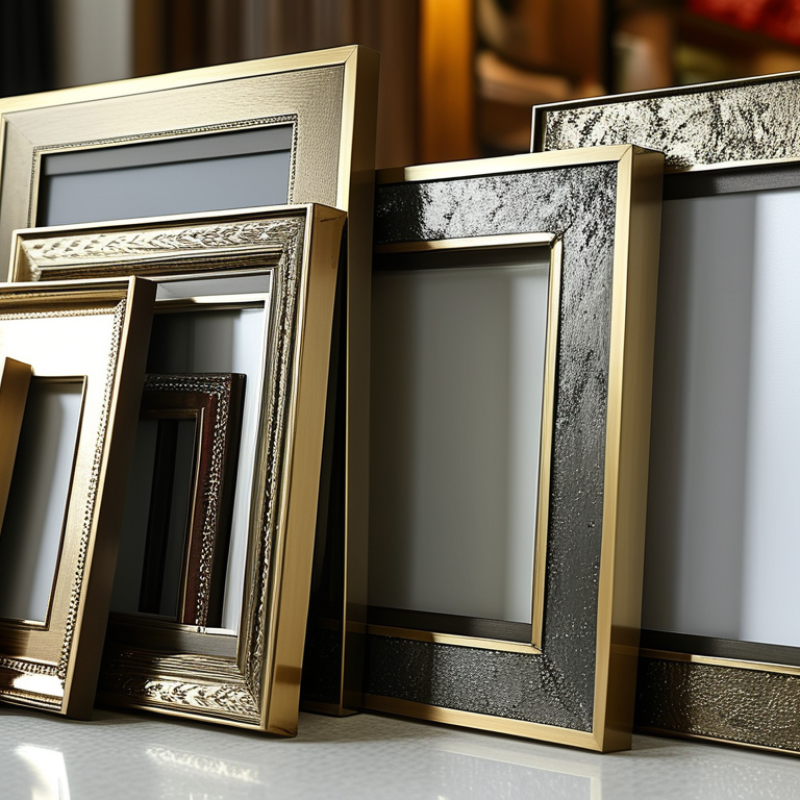
When selecting decorative metal photo frames from China, material choice shapes both appearance and daily handling. Each metal creates a different visual language, from cool minimalism to aged warmth. Aluminum frames are light, rust-resistant, and practical for large wall displays. Their brushed surface can show fine scratches, especially around corners. Ask for anodizing details, profile thickness, and a physical sample before approving production.
Steel offers stronger support for heavier glass and oversized photographs. Powder-coated steel gives stable color, but chipped edges may expose vulnerable metal. Iron creates a traditional, handmade impression, often with textured surfaces and heavier weight. It needs dependable protective coating in humid rooms. Check welds, corner alignment, hanging hardware, and backboard fit. Small defects matter.
Brass brings a warm gold tone that suits classic interiors and hospitality spaces. Untreated brass gradually develops patina, while plated brass keeps a more uniform appearance. Neither option is automatically better. The choice depends on the intended style and maintenance expectations. Reliable suppliers should provide material specifications, finish samples, packaging tests, and inspection records. A frame may look excellent in photos yet feel thin or unstable in hand. That mismatch deserves honest review before a large order.
What Are the Best Decorative Metal Photo Frames from China?
For equal volume, steel weighs about 2.9 times more than aluminum. Aluminum has a density near 2.70 g/cm³, while mild steel reaches about 7.85 g/cm³. A 30 cm frame may feel noticeably lighter in aluminum. Brass usually exceeds 8.4 g/cm³. It looks substantial, but shipping weight rises quickly.
Density is only one factor. The 2024 World Bank Commodity Price Data placed aluminum near US$2,400 per metric ton and copper near US$9,300. Brass costs can therefore increase with copper content. These are raw-material averages, not finished-frame prices. Cutting, polishing, plating, and protective coatings often cost more than expected. That limitation matters.
Recyclability changes the long-term calculation. The International Aluminium Institute reports that recycling aluminum uses about 5% of the energy required for primary production. The World Steel Association reports that recycling one tonne of steel can avoid roughly 1.4 tonnes of iron ore and 740 kilograms of coal. Aluminum suits large, lightweight frames and lower freight loads. Steel suits thin profiles and stronger wall mounts. Brass offers warmth, but its heavier weight and higher copper exposure need careful budgeting. Real factory sampling remains essential. Estimates can be wrong.
| Material | Typical Decorative Finish | Density (kg/m³) | Estimated Frame Weight (kg) | Indicative Raw Material Cost (USD/kg) | Recycling Potential | Key Advantages | Potential Limitations |
|---|---|---|---|---|---|---|---|
| Aluminum Alloy | Anodized, brushed, powder-coated, or plated | 2,650–2,800 | 0.24–0.26 | $2.40–$3.20 | High: approximately 90–95% recyclable in established recycling systems | Lightweight, corrosion-resistant, easy to extrude, and suitable for modern minimalist designs | Lower surface hardness than steel; thin sections may dent if not properly reinforced |
| Zinc Alloy | Chrome, brushed nickel, antique bronze, or electroplated finishes | 6,600–7,100 | 0.60–0.65 | $2.40–$3.10 | High: approximately 80–90% recyclable when separated from coatings and mixed components | Excellent for intricate die-cast ornaments, detailed corners, and substantial hand-feel | Heavier than aluminum; die-casting and plating require careful control to prevent surface defects |
| Stainless Steel | Mirror-polished, satin, brushed, or PVD-colored | 7,700–8,000 | 0.70–0.74 | $2.00–$3.50 | Very high: approximately 90–95% recyclable, with strong scrap value | Excellent corrosion resistance, high durability, and a premium contemporary appearance | Higher fabrication cost; more difficult to cut, bend, and polish than aluminum |
| Carbon Steel | Powder-coated, painted, chrome-plated, or antique-finished | 7,850–7,870 | 0.72–0.73 | $0.70–$1.10 | Very high: approximately 95–100% recyclable through established steel recycling streams | Strong, economical, widely available, and suitable for industrial or vintage-style frames | Requires reliable coating or plating protection because uncoated steel can rust |
| Brass | Polished, satin, antique, brushed, or lacquered | 8,400–8,700 | 0.77–0.80 | $6.50–$8.50 | Very high: approximately 90–95% recyclable and commonly recovered for its alloy value | Warm premium color, excellent machinability, and strong suitability for classic or luxury designs | Highest material cost among the compared options; relatively heavy and may tarnish without protection |
| Data basis: Weight estimates use a standardized 200 × 250 mm photo opening, a 30 mm frame face width, and an approximately 3 mm average metal wall thickness. The estimated metal volume is about 0.0000918 m³, excluding glass, backing board, hinges, hooks, packaging, and decorative inserts. Raw material prices are indicative ranges for unbranded industrial materials and vary by alloy, order volume, market conditions, surface treatment, and supplier location. Recycling figures represent typical material recovery potential rather than a guaranteed consumer recycling rate. | |||||||
The best decorative metal photo frames are not judged by appearance alone. In factory inspections, I check the coating under bright, angled light. Uneven edges, pinholes, and thin corners often appear first. A reliable supplier should provide recent ISO 9227 salt spray results. The report must show the tested coating, preparation, exposure hours, and visible corrosion rating. More hours can indicate stronger resistance, but they do not guarantee outdoor durability. Test conditions differ. That detail is often overlooked.
ASTM D3359 adhesion testing reveals whether the coating bonds firmly to the metal surface. A cross-cut pattern is made, then inspected after tape removal. Strong results show limited coating loss. The test grade matters, but sample preparation matters too. Coating thickness should be measured at several points, especially corners, folds, and decorative grooves. A digital thickness gauge can expose uneven application. For indoor frames, excessive thickness may still cause cracking or poor assembly. Thicker is not always better.
Tips: Request test reports for the exact finish, not a similar color. Ask for coated samples before approving bulk production. Photograph every inspection area. Keep one sample for future comparison. I once accepted a visually attractive sample without checking its rear edge. That small mistake caused early rust during humidity testing. Quality control needs patience, and sometimes a second opinion.
What Are the Best Decorative Metal Photo Frames from China?
The best choice depends on design, size, finish, safety, and total cost. Aluminum frames suit clean interiors because they are light and resist corrosion. Stainless steel offers stronger edges and a cooler appearance. Brass-toned finishes create warmth, but plated surfaces may show wear near humid windows. Matte black hides fingerprints better than mirror-polished metal. Small frames work well on shelves, while larger frames need reinforced backs and stable support.
Measure the photo and wall space carefully. A 4×6-inch frame suits desks, while 8×10-inch and larger formats create stronger visual impact. Check the opening size, backing thickness, stand strength, and glass clarity. For safety, request information about sharp edges, coating composition, heavy-metal limits, and glass treatment. Requirements differ by destination market, so reliable suppliers should provide relevant test reports and material declarations. I would not trust polished photos alone. Samples reveal uneven plating, loose hinges, and weak packaging.
Tips: Order one sample before bulk purchasing. Test the finish with a soft cloth and inspect every corner. Ask whether protective film covers the metal during shipping. Compare the full landed cost, including packaging, freight, duties, replacement rates, and minimum order quantity. Very low prices can hide thin metal or fragile glass. That trade-off is easy to underestimate. A slightly higher budget may provide safer edges, better finishing, and fewer damaged units.
A practical guide to choosing frame size, finish, safety, and budget for common photo formats.
The chart compares the usable photo area of widely adopted print formats. Larger formats create stronger wall impact but generally require more metal, glass, packaging, and shipping protection, increasing the total budget.
When sourcing decorative metal frames, confirm the exact inner opening, corrosion-resistant finish, smooth or covered edges, secure rear hardware, glass or acrylic safety specifications, and compliance documentation such as RoHS or REACH where required by the destination market.
